
Highball Glass Size Guide
Discover the ideal highball glass size for your cocktails and mixed drinks, ensuring perfectly balanced pours and an enhanced serving experience.
GLASSWARE GUIDESCOCKTAILS & MIXED DRINKS
Barkeepers BuzzBlog Editorial Team - Led by AJ “Buzz” Eichman
3/1/20264 min read
Choosing the right glass for your mixed drink goes beyond looks—it’s about shaping the serving experience. The highball glass is a versatile staple within modern cocktail glassware collections. But here’s something I found interesting: “highball” glasses come in quite a few sizes and shapes. So, I wanted to dig in and understand what really defines a highball glass and which size fits best, whether you’re stocking a home bar or working the floor.
Highballs sit firmly within the broader world of cocktails and mixed drinks, especially those built directly in the serving glass.
Quick Verdict
Highball glasses typically range from 8 to 12 ounces (240 to 355 ml), though some commercial glasses can hold up to 16 ounces.
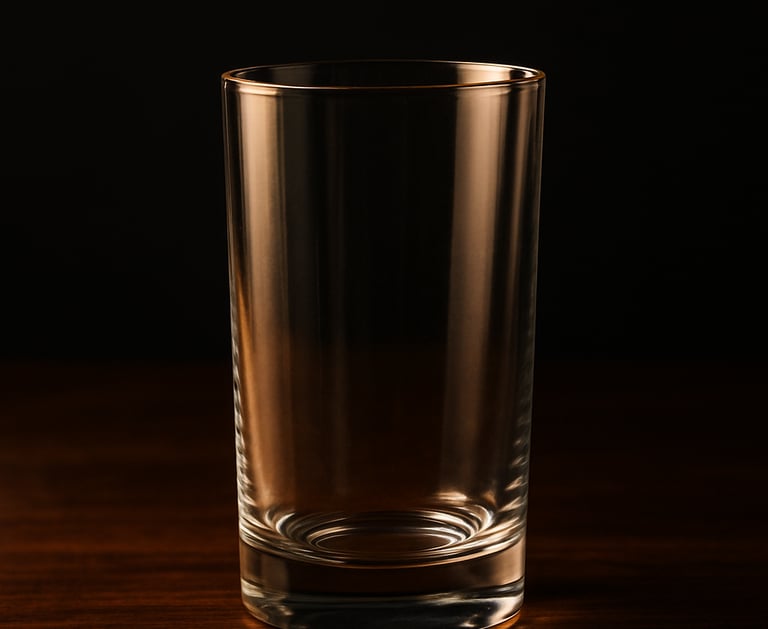
They usually have tall, straight or slightly tapered sides and a thick base to handle ice and mixers comfortably.
Highball glasses are often mixed up with Collins glasses, but Collins tend to be taller, narrower, and hold more liquid.
Knowing your glass’s capacity and shape helps keep your drinks balanced and looking right.
What Is a Highball Glass?
From what I’ve learned testing over several shifts, a highball glass is designed for cocktails that pair a spirit with a larger volume of non-alcoholic mixer—think soda, tonic, or water—served over ice. Proper sequencing matters, as explained in our drink build order guide. It’s tall and cylindrical with straight or just slightly tapered sides, sized to hold enough mixer and ice so you don’t have to refill every few minutes. These drinks belong to the classic Highball Family — spirit plus a larger volume of mixer served over ice.
Standard Highball Glass Sizes and Capacity
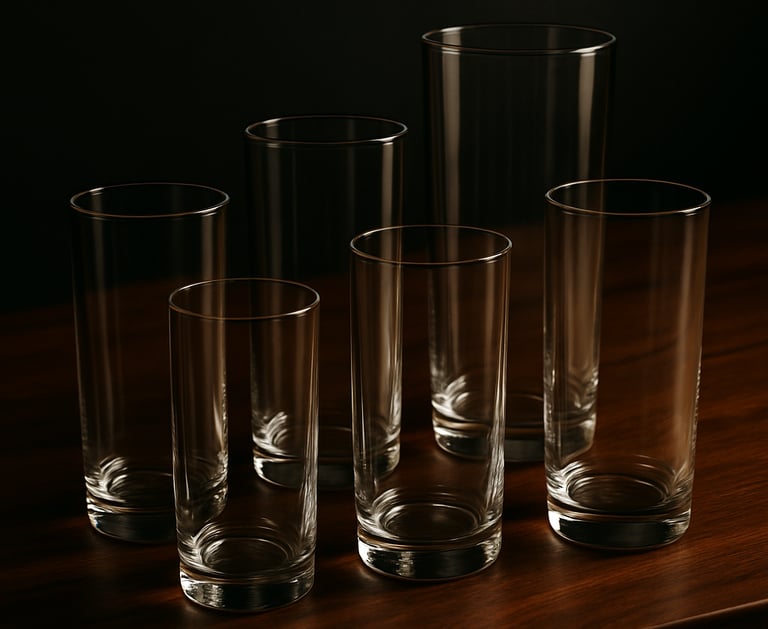
Most highball glasses sit between 8 and 12 fluid ounces (240 to 355 milliliters), which fits common drink recipes by balancing spirit, ice, and mixer:
8 oz (240 ml): On the smaller side, nice for lighter drinks or lower alcohol pours.
9 to 10.5 oz (270 to 311 ml): A common size you’ll see in bars and restaurants.
12 oz (355 ml): Bigger standard size—good if you want more ice or mixer to keep drinks refreshed longer.
Up to 16 oz (473 ml): Sometimes available in commercial setups for larger serves.
I tested pours with different sizes, and having a solid grip on your glass’s volume makes measuring with tools like the best jiggers much more reliable.
For curated options across these sizes, explore the best highball glasses guide.
Highball Glass Dimensions and Design
In general, these glasses stand around 5.5 to 6.5 inches tall (14 to 16.8 cm) with a diameter close to 2.4 to 2.5 inches (6 to 6.4 cm). The usual features include:
Thick, heavy base: Gives the glass stability and keeps heat from your hand away from the drink.
Straight or slightly tapered sides: Makes stirring and layering simpler while holding a good amount of ice.
Clear glass: Shows off the cocktail’s color and the ice, which honestly makes a difference visually.
These proportions are practical for adding ice and mixers, and I noticed the height encourages that satisfying, refreshing sip each time.
Highball Glass vs. Other Cocktail Glasses
One thing I noticed—people often confuse highball and Collins glasses:
Highball glass: Holds 8–12 oz, shorter and a bit wider.
Collins glass: Taller and slimmer, usually 10 to 14 oz or more.
Compared to lowball or rocks glasses, which are 6–8 oz and shorter/wider, highball glasses let you build longer cocktails with mixers.
Figuring out which glass matches a recipe really helps maintain the right dilution and look for each drink.
Practical Implications for Drink Quality
Glass size and shape directly affect dilution and temperature, which ties into disciplined ice and temperature control. If the glass is too small, you might overflow or skimp on mixer. Too big, and your drink could dilute more than you want if the ice melts slowly.
In my tests, pairing a highball glass with clear, quality ice made by clear ice nugget systems really helped keep drinks colder longer without watering them down quickly. And using a jigger for spirit measurements tightened consistency across drinks.
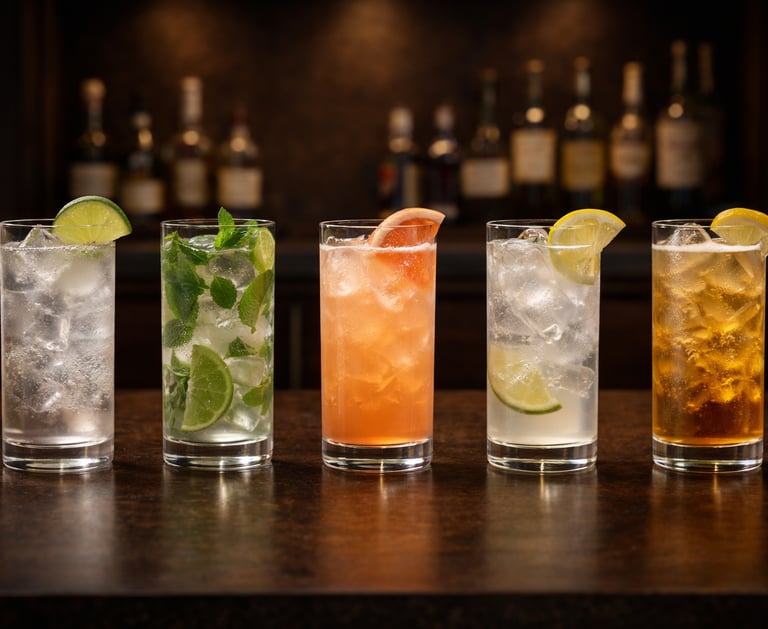
Common Mistakes When Choosing or Using Highball Glasses
Mixing up highball and Collins glasses, which leads to volume mismatches.
Assuming all “highball” glasses hold the same—capacities can range widely from 8 to 16 oz.
Overfilling without accounting for ice volume, which cuts down the liquid capacity.
How to Measure Your Highball Glass Capacity
This is a simple test I did that you can replicate:
Fill your glass completely with water.
Pour that water into a measuring cup to see how much it holds.
Subtract space taken by ice if you want to adjust for actual drink volume with ice.
It’s an easy way to tailor your recipes to the glass you have.
When Does Glass Size Matter Most?
At home bars, when you aim for consistent pours and controlled portions.
In hospitality venues, where presentation and serving size are critical.
For cocktails that depend on a fine balance between spirit and mixer.
Picking the right highball glass for your style and volume needs can really improve both drink quality and appearance.
FAQ
What is the difference between a highball glass and a Collins glass?
A highball glass is generally shorter and holds 8–12 oz, while a Collins glass is taller, narrower, and usually holds 10–14 oz or more. Both serve similar cocktails but differ slightly in size and shape.
Can I use a highball glass for non-alcoholic drinks?
Absolutely. Highball glasses work well for mocktails, soft drinks, iced teas—you name it.
How do I measure the capacity of my highball glass?
Fill it with water, pour the water into a measuring cup, and note the volume.
Does the shape of the glass affect the drink’s taste?
Yes, the shape impacts ice and liquid interaction, dilution rate, and even aroma perception, all influencing how you experience the drink.
Are all highball glasses clear?
Most are clear to highlight the drink and ice, but you can find colored or textured options if you want a different style.
How much ice should I use in a highball glass?
Around two-thirds full with ice keeps the drink cold without watering it down too quickly.
Should I use a jigger to measure spirits for highball drinks?
Yes, using a jigger helps keep spirit pours consistent and your cocktails balanced.
Selecting the right glass is part of a well-designed home bar setup.
© 2026 Barkeepers Buzz. All rights reserved.
Barkeepers Buzz
Master cocktails, spirits, and bar knowledge with clarity and precision. Built for serious home enthusiasts.
Crafted with respect for the culture — and the responsibility that comes with it.
For educational purposes only. Intended for legal drinking age audiences. Please drink responsibly.
General Inquiries: