
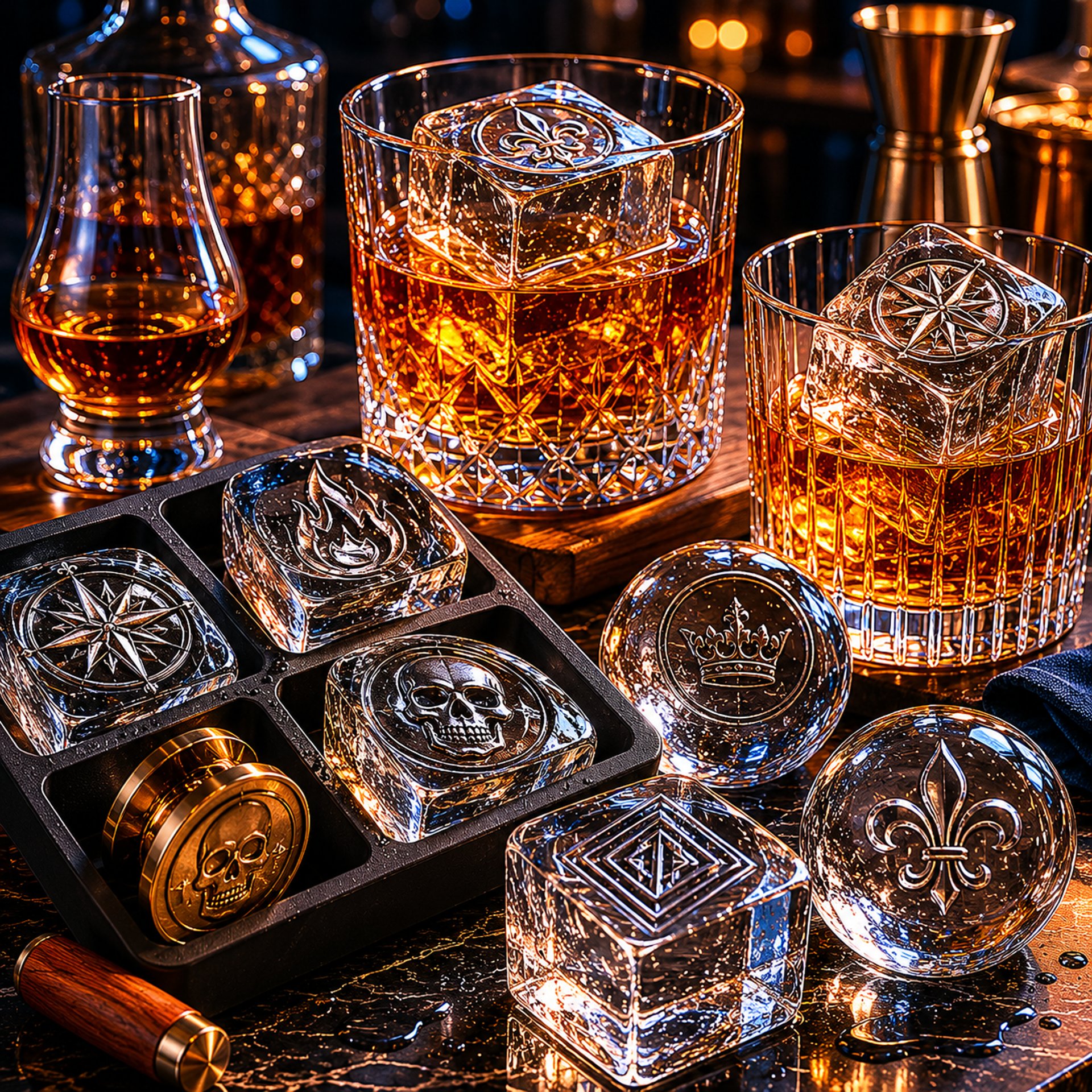
How Ice Temperature Changes Whiskey Flavor & Dilution
Explore how ice temperature whiskey affects dilution and flavor, helping you enjoy every sip with perfect balance and nuance.
ICE & TEMP GUIDES
Barkeepers Buzz Editorial Team - Led by AJ “Buzz” Eichman
5/29/20266 min read
Whiskey is a drink all about nuance — the kind of spirit that invites exploration into subtle shifts in aroma, taste, and texture. One element that gets surprisingly little attention outside the bar is ice. Not just whether you use ice, but how cold that ice is can change your whiskey experience in meaningful ways. Since I’ve been testing different ice temperatures over a few shifts and at home, I wanted to break down exactly how ice temperature influences whiskey flavor and dilution, so you and I can enjoy better pours without guessing.
For a deeper understanding of how chilling, dilution, and melt rate work together, Ice Dilution & Drink Temperature Science provides a broader look at the principles behind temperature control in cocktails and whiskey service.
Quick Verdict
• Colder ice melts slower, preserving the whiskey’s original flavors and delaying unwanted dilution.
• Slightly warmer ice melts faster, increasing dilution, which can soften sharp or harsh notes but also water down complexity.
• Ice size affects melting rate, but temperature is equally important—large cold cubes melt slowest overall.
• Chilling your whiskey or glass before adding ice reduces the temperature gap and slows melting, maintaining a better balance.
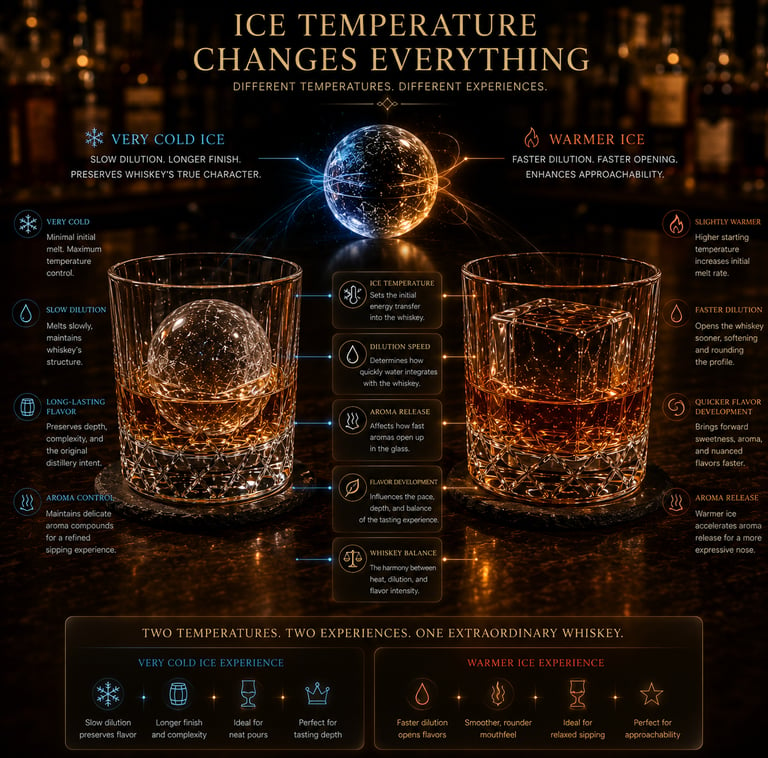
How Ice Temperature Affects Whiskey Dilution
The first thing I tested was how different ice temperatures affect the rate at which ice melts and waters down whiskey. This is important because dilution doesn’t just lower the alcohol content; it actively changes flavor by releasing certain compounds and muting others.
When you add ice that's very cold (think straight from a freezer at around 0°F or -18°C), it takes longer to melt because the whiskey has to transfer more heat to the ice before it can start liquefying. This slower melting prolongs the whiskey’s flavor integrity, letting you savor the original character without it becoming too watered down too fast.
On the other hand, ice that’s a bit warmer — say closer to 20°F (-6°C) — melts more quickly. This raises the whiskey’s dilution rate, which can be a benefit if you’re drinking a high-proof or rougher whiskey and want to smooth it out slightly. But the tradeoff is you risk losing delicate flavor nuances sooner.
The Science Behind Ice Melting in Whiskey
Here’s what’s happening on a scientific level: ice temperature impacts the heat exchange between ice and whiskey. The bigger the temperature gap, the faster the ice melts. This means room temperature or warm ice will cause rapid dilution because it absorbs heat from the whiskey much faster.
The melting rate also depends on surface area — smaller, crushed ice has more surface area and melts faster than a large cube or sphere. Also, freezing ice slowly to reduce trapped air makes it denser and slower to melt.
I found that starting with very cold, dense ice cubes reduced dilution speed significantly, even compared to cold but not frozen solid ice. It really surprised me how much difference the initial ice temperature could make. This same principle is one reason Why Large Clear Ice Cubes Melt Slower (And Why It Matters for Whiskey) when compared to smaller cubes or cloudy ice.
Choosing the Right Ice Temperature for Your Whiskey
Since we know ice temperature affects both dilution and flavor, the next question is: what’s ideal for your whiskey?
If you’re savoring a high-quality single malt or a whiskey with complex flavor profiles, very cold ice is your friend. It keeps the drink cool while preserving those subtle tastes for longer, allowing you to appreciate the spirit’s full character over a slow sip.
If your whiskey is strong, young, or a bit spicy, slightly warmer ice can help mellow those edges by encouraging faster dilution. This doesn’t mean using warm water-soaked cubes, but ice from just below freezing — enough to chill quickly but provide a softer finish.
Keep in mind personal preferences, too. Some people enjoy a stiffer drink that holds its proof; others prefer a gentler, smoother experience. Adjusting ice temperature gives you that control.
Ice Size and Shape vs. Ice Temperature: What Matters More?
During my tests, I also compared ice size and shape against temperature to see which influences dilution and flavor more.
Large cubes or spheres melt slower because of lower surface area relative to volume, which helps maintain whiskey’s flavor longer, regardless of temperature. But combine that with extremely cold ice, and the impact on prolonging flavor was even greater.
Crushed or small ice melts quickly by design, so even very cold small pieces won’t preserve flavor as long. Similarly, room temperature large cubes still melt faster than cold large cubes.
In summary, ice temperature and size work together here. For the slowest dilution, use large, dense, very cold cubes or spheres. For faster dilution, smaller warmer ice or crushed ice will do that job — choice depends on your flavor goals. Choosing the right shape matters too, and The Best Ice Shapes for Old Fashioneds, Negronis & Spirit-Forward Cocktails explores how different forms affect both performance and presentation.
Impact of Dilution on Whiskey Flavor Profile
Dilution is more than a simple watering down; it actively changes the whiskey’s flavor profile. Adding water or melted ice releases new aroma compounds, can soften alcohol heat, and sometimes reveals hidden flavors.
However, too much dilution blunts the profile, muting desirable notes such as oak, caramel, or spice. I noticed that when ice melted quickly in my glass, the whiskey lost some of its warmth and complexity much earlier in the drinking session.
That’s why ice temperature is so significant: it controls the balance between enjoying whiskey chilled and flavorful versus overly watered and dull.
Common Mistakes When Adding Ice to Whiskey
I've seen some habits that hurt the whiskey experience, so here are common mistakes to avoid:
• Using room temperature or warm ice, which causes rapid melting and quick flavor loss.
• Adding too much ice regardless of temperature, diluting the whiskey excessively.
• Ignoring ice size and purity; small or aerated ice melts faster and clouds flavor.
• Not chilling the whiskey or glass beforehand, which accelerates ice melting.
• Adding ice too early or too late throws off the optimal temperature and flavor balance.
If you’re experimenting with ice temperature and want the best results, try controlling these variables rather than just tossing ice in without thought.
Tips from Bartenders on Managing Whiskey with Ice
From what I’ve gathered chatting with experienced bartenders and testing myself:
Always aim for very cold, dense ice for serving whiskey neat or in simple pours.
Adjust ice temperature based on the whiskey type: younger or higher proof benefits from slightly warmer ice.
Pre-chill glasses when possible to reduce melting rate and keep flavors constant longer.
Pair ice size and temperature carefully for the drinking scenario—slow slow sipper or quick mix.
For rituals like whiskey tastings, cold, large cubes maintain purity best without too much dilution.
Many upscale venues rely on these techniques, which helps explain Why Premium Bars Use Decorative Ice for Whiskey & Cocktails when serving premium spirits and presentation-focused pours.
Frequently Asked Questions About Ice and Whiskey
How does ice temperature impact whiskey flavor?
Ice temperature influences how fast ice melts, affecting dilution and the evolving flavor profile. Colder ice melts slower, preserving flavor and alcohol content longer.
Does colder ice always mean better whiskey taste?
Not always. Colder ice preserves original flavors longer, but slightly warmer ice can help soften harsh notes in stronger whiskeys. It depends on your taste preference and whiskey style.
What is the best type of ice for whiskey drinking?
Large, dense ice cubes or spheres that are very cold melt slowest and preserve flavor best, although smaller or warmer ice may be preferred for faster dilution.
How fast should whiskey dilute with ice?
This varies by ice temperature, size, and whether the whiskey or glass is pre-chilled. Slower dilution is generally better for savoring complex whiskeys.
Can ice temperature change the whiskey’s aroma?
Yes. Ice temperature affects dilution rate, which in turn alters the release of aromatic compounds from the whiskey.
Is it better to chill whiskey before adding ice?
Chilling the whiskey or glass reduces the temperature difference, slowing ice melting and dilution, resulting in more controlled flavor shifts.
How does ice size compare to ice temperature in affecting whiskey?
Both significantly influence melting rate and dilution. Large, cold ice melts slowest, whereas small or warm ice melts faster. Pairing the two matters most.
Practical Conclusion
From what I’ve tested behind the bar and at home, ice temperature is definitely not a minor detail when it comes to drinking whiskey with ice. It shapes how quickly your whiskey dilutes and how its flavors develop sip by sip.
If you want to get the most out of your whiskey, start by using very cold, dense ice — preferably large cubes or spheres. Consider chilling the glass and whiskey first to keep melting slow and flavors intact. But don’t be afraid to experiment with slightly warmer ice if you want a softer, mellow drink.
Understanding the relationship between ice temperature, dilution rate, and flavor profile empowers you to fine-tune your pour, bringing a thoughtful approach to every glass. Keep testing what works for you, and enjoy discovering how ice can unlock new dimensions in your whiskey.
© 2026 Barkeepers Buzz. All rights reserved.
Barkeepers Buzz
Master cocktails, spirits, and bar knowledge with clarity and precision. Built for serious home enthusiasts.
Crafted with respect for the culture — and the responsibility that comes with it.
For educational purposes only. Intended for legal drinking age audiences. Please drink responsibly.
General Inquiries: