
How to Rinse and Store Glassware Properly
Learn the essential steps to rinse and store glassware properly to keep it clear, damage-free, and maintain drink quality for both home and commercial bars.
GLASSWARE GUIDES
Barkeepers BuzzBlog Editorial Team - Led by AJ “Buzz” Eichman
3/1/20265 min read
Maintaining pieces within your broader cocktail glassware collection so they last, requires proper rinsing and storage discipline. Proper rinsing and storage keep glasses clear, undamaged, and functional. I’ve seen plenty of installs where cutting corners on these basics leads to early failures. Missing detergent residues, poor drying, and bad storage practices are common mistakes that reduce a glass’s lifespan and can even affect the drink itself.
Whether you're refining a personal collection or upgrading your home bar setup, these fundamentals protect both appearance and performance.
Quick Verdict
Rinse glasses right away and thoroughly after washing to remove all detergent.
Air-dry glasses upside down on racks for proper drainage and airflow.
Store glassware upright in cabinets free of dust and dirt.
Finish rinsing with distilled water to avoid mineral spots, especially on crystal.

Why Proper Rinsing and Storage Matters for Glassware
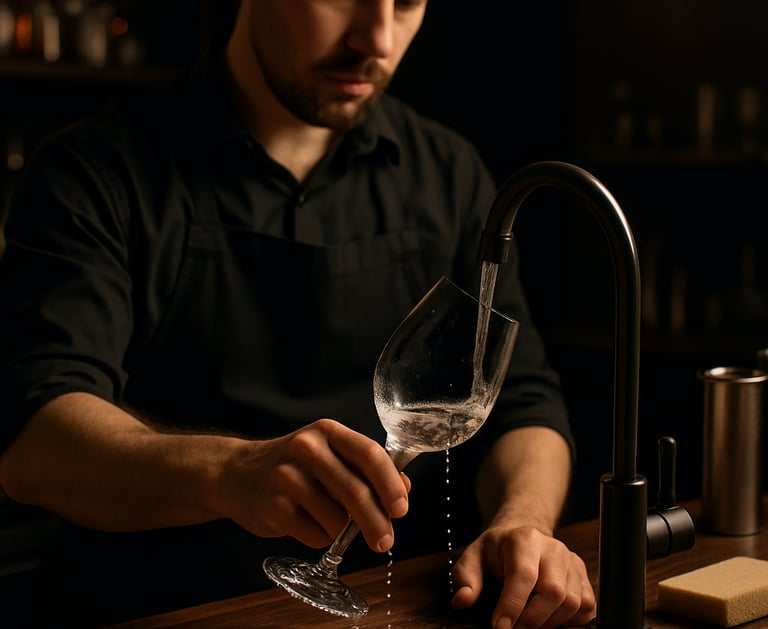
Glassware looks fine coming out of a wash, but residual soap or poor drying shows up after time. Soap residue changes flavor and leaves haze. Residue also interferes with proper ice and temperature control by altering dilution and chilling behavior. Water spots and cloudiness follow if glasses aren’t dried well. Physical damage like chips often results from stacking or poor handling during storage. Crystal glass requires even more care — it’s delicate, porous, and worth protecting with the right routines.
If you do this right, glasses keep their sparkle and help maintain the quality of served drinks. Skip it, and you start losing that edge within months.
Step-by-Step Guide to Rinsing Glassware
1. Rinse Immediately After Washing
Get glasses out of detergent water right away. If soap dries on the surface, it’s harder to remove and leaves haze. Rinse thoroughly with clean water to clear away detergent. I’ve replaced enough glassware ruined by sticky soap residue to know this step isn’t optional.
2. Use Distilled Water for the Final Rinse
Tap water has minerals. Those minerals leave spots or cloudy deposits as water dries. Using distilled or deionized water for the final rinse prevents those spots. This is especially important with crystal or high-end glassware where any imperfection shows clearly.
3. Avoid Harsh or Hot Detergents for Delicate Glass
For crystal or fine glass, use mild soap and lukewarm water. Hot water or abrasive detergents etch and damage glass surfaces. Handwashing with a soft cloth or sponge is the safest way. I don’t recommend shortcuts here — too many repairs come from abusing delicate glass.

Effective Drying Techniques
Air-Dry Inverted on Racks
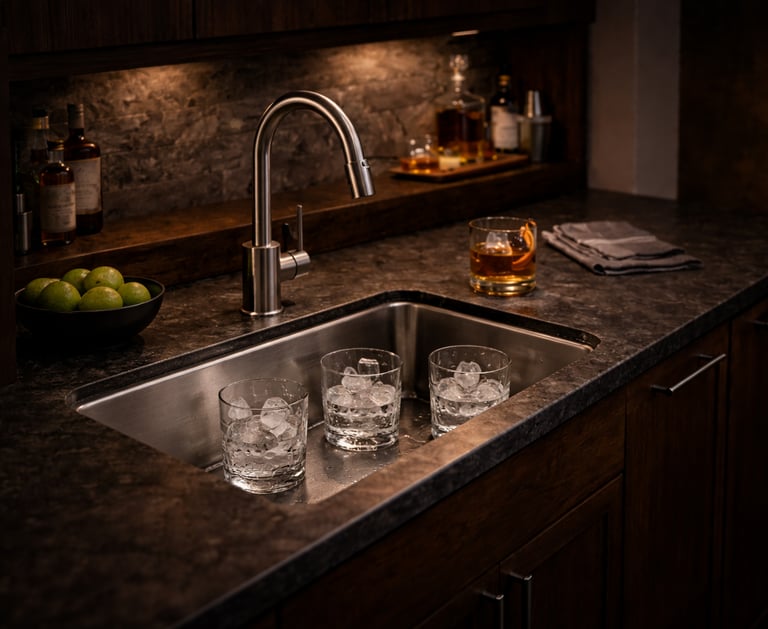
Set glasses upside down on racks or clean surfaces that allow water to drain out fully. If glasses sit right side up, water pools inside. Those pools leave spots and slow drying. Flipping glasses over also improves airflow and cuts drying time.
Use Microfiber Cloths for Spot Drying
If you need to dry glasses faster, a clean microfiber cloth is your best bet. It absorbs water without scratching and helps reduce water spots. Standard dish towels lack this and can cause micro-abrasions or leave lint behind.
Dry Immediately to Prevent Spotting
Delaying drying after rinsing allows minerals to settle and form spots, which can be tough to remove. Get glasses dried or set to air-dry inverted right after rinsing.
Best Storage Practices for Longevity
Open commercial setups often rely on organized back bar shelving systems to prevent crowding and damage.
Delicate stemware—like those discussed in martini glass vs coupe—requires extra spacing and upright storage.
Taller options like those in our highball glass size guide also require upright spacing to prevent rim damage.
Store Glassware Upright
Keep glasses standing upright. Stacking or storing them inverted can cause rim chips and cracks. Upright storage also prevents moisture buildup inside, which leads to spotting or bacterial growth.
Use Dust-Free Cabinets or Enclosed Spaces
Store glasses in clean, closed cabinets to keep dust off. Dust is more than a cosmetic issue — it collects bacteria and affects drink quality. This is something that’s easy to overlook until it becomes a problem.
Space Glasses to Avoid Contact
Give glasses enough room so they don’t touch and risk scratches or cracks. Using shelf liners or padding helps reduce damage. Crowding glassware is a quick way to shorten its usable life.
Avoid Humid or Sunlight-Exposed Areas
Humidity speeds up deterioration and encourages microbial growth. Sunlight can cause fading or weaken delicate glass over time, especially crystal. A cool, dry, shaded storage spot is best.
Niche Tips for Alcohol and Crystal Glassware
Crystal: It’s porous and fragile. Handwash with mild detergent and cool water. Air-dry inverted on soft racks or padded mats. Never stack crystal.
Bar Glassware: Frequent rinsing during service prevents build-up of residues. Using a dedicated glass rinsing system reduces residue buildup and speeds workflow.
Wet Bar Setup: Proper rinsing pairs best with sinks featured in our best wet bar sinks guide.
Storage Considerations: Enclosed options from our best home bar cabinets guide provide dust protection and spacing.
Tasting glasses such as those explored in best whiskey glass shape for aroma benefit significantly from residue-free rinsing.
Common Mistakes
Rinsing poorly and leaving detergent residue that causes haze and flavor changes.
Stacking glasses and creating chips or cracks.
Using harsh detergents or hot water with delicate crystal, leading to etching.
Storing glassware in humid or sunlight-exposed spots, accelerating wear.
Air-drying glasses upright, which traps water inside and causes spots.
FAQ
Can I use a dishwasher for glassware?
Dishwashers work for sturdy glass but tend to cause etching and cloudiness over time. This is especially true for crystal or thin glasses. Handwashing is preferred for delicate pieces.
How do I remove water spots from glassware?
Vinegar solutions or commercial glass cleaners remove mineral deposits. For stubborn spots, soak glassware in diluted vinegar, then rinse with distilled water.
What's the best way to store stemware?
Store stemware upright, spaced so they don’t knock together. Avoid hanging delicate rims upside down on racks if you want to prevent chips.
How soon should glassware be dried after rinsing?
Dry or air-dry immediately after rinsing to stop mineral spots from forming.
Is it necessary to use distilled water for rinsing?
Not always, but distilled water prevents mineral buildup for the cleanest finish — important for crystal.
What drying cloth is best?
Microfiber cloths absorb water without scratching and cut down on water spots.
How do I prevent contamination during storage?
Keep glassware in clean, closed cabinets or shelves that block dust. Avoid humid or dusty places.
Linking related content naturally enriches this guide: For an efficient rinsing workflow, explore our detailed /glass-rinsing-system/. To complement rinsing, choosing the right wet bar sinks enhances cleaning (/best-wet-bar-sinks/). For organized and protective storage, consider /best-home-bar-cabinets/ or /back-bar-shelving-systems/ as storage solutions that safeguard your glassware investment.
© 2026 Barkeepers Buzz. All rights reserved.
Barkeepers Buzz
Master cocktails, spirits, and bar knowledge with clarity and precision. Built for serious home enthusiasts.
Crafted with respect for the culture — and the responsibility that comes with it.
For educational purposes only. Intended for legal drinking age audiences. Please drink responsibly.
General Inquiries: