
Freezer Planning for Clear Ice Production
Learn effective freezer planning tips for clear ice production to enhance your cocktails with slower melting, better texture, and crystal clarity.
ICE & TEMP GUIDES
Barkeepers BuzzBlog Editorial Team - Led by AJ “Buzz” Eichman
2/27/20264 min read
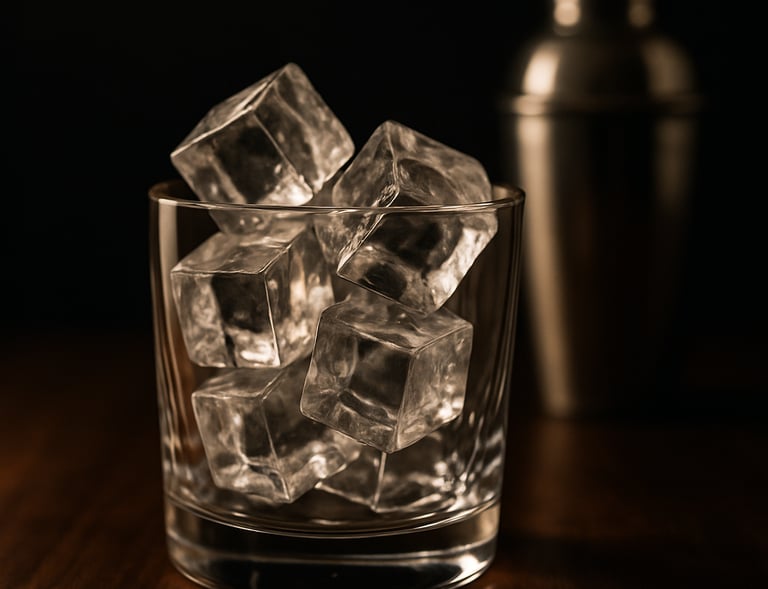
Clear ice has earned a place in bars because it lasts longer and looks better. Unlike cloudy ice, which traps air bubbles and minerals, clear ice is visually cleaner and slows melting which directly improves dilution control and temperature stability. But making clear ice at home is often mishandled, causing wasted effort. This guide lays out what clear ice does and doesn’t do, and how to plan your freezer setup to get it right more often.
Quick Verdict
- Clear ice melts slower because it has fewer air bubbles, which reduces dilution.
- It’s made by directional freezing, usually from the top down, pushing impurities to the bottom.
- Clear ice doesn’t change the spirit’s flavor but limits impurities, improving texture and aroma.
- Proper freezer planning means using insulated containers and controlling how fast water freezes.
What is Clear Ice and Why Use It in Cocktails?
Clear ice is ice you can see through. Cloudy ice gets that whitish look from trapped air bubbles a minerals. Clear ice forms when freezing is controlled to limit those bubbles.
What Clear Ice Changes:
- Dilution Rate: Clear ice melts slower since there are fewer air pockets speeding up melting as explored in the dilution curve breakdown.
- Texture: It feels smoother, making the drink cleaner on the palate.
- Aroma Perception: No impurities from minerals or air means the spirit’s aromas don’t get muddled.
- Temperature Stability: Bigger clear blocks keep drinks colder longer.
What Clear Ice Does NOT Change:
- Fundamental Flavor: The actual taste of your spirit isn’t changed by the ice.
- Alcohol Concentration: Clarity doesn’t affect alcohol levels beyond the normal melting effect.
- Taste Additives: Any taste issues normally come from minerals in cloudy ice, not clear ice made from pure water.
Knowing this keeps expectations in check. Clear ice helps slow dilution and improve mouthfeel, but it isn’t magic.
Understanding Directional Freezing for Home Production
Clear ice depends on how water freezes. Directional freezing means freezing water from just one side — usually top down.
- How It Works: As water freezes from the top, minerals and gases get pushed down toward the bottom, away from the ice forming on top.
- Result: The top solidifies clearly, without bubbles or impurities.
To try this at home:
- Use an insulated container like a hard-sided cooler without the lid. This slows freezing on the top and delays freezing on the sides and bottom.
- Use boiled or filtered water to reduce dissolved gases.
- Freeze slowly at around 0°F (-18°C) for 12 to 24 hours. Pull it out before the whole container freezes solid, or you’ll trap impurities.
Standard ice trays freeze from all sides, which traps bubbles and makes cloudy centers. That’s where clear ice production starts to break down.
Freezer Planning: Cooler Setup and Temperature Tips
Choosing the Right Cooler
- Pick a small, insulated cooler that fits comfortably in your freezer.
- The insulation limits heat loss through the sides and bottom, forcing water to freeze downward from the top.
Freezer Temperature
- Household freezers set at 0°F (-18°C) work fine.
- Avoid drastically colder or inconsistent temps. Freezing too fast creates bubbles.
Water Preparation
- Boil water and cool it before freezing to drive off dissolved gases.
- Filtered or distilled water also works well.
Freezing Time
- Usually, 18 to 24 hours to freeze a large clear layer on top without freezing the whole block.
- Check periodically. Remove when the top is solid clear ice and the bottom is still slushy or cloudy.
Step-by-Step Guide to Freezer-Based Clear Ice
1. Boil and cool water or use filtered water.
2. Pour into your insulated cooler to the level you want ice.
3. Place cooler uncovered inside freezer.
4. Freeze 18–24 hours, checking progress.
5. Remove and lift out the clear ice block.
6. Cut or break into cubes with a serrated knife or ice picks.
Molds designed for clear ice can make shapes easier, but they must allow for directional freezing to be effective.
Industrial Methods: Blast Freezers and Machines
Commercial setups use blast freezers or specialized ice machines:
- Blast Freezers: Freeze quickly with stable temperatures, producing consistent clear slabs.
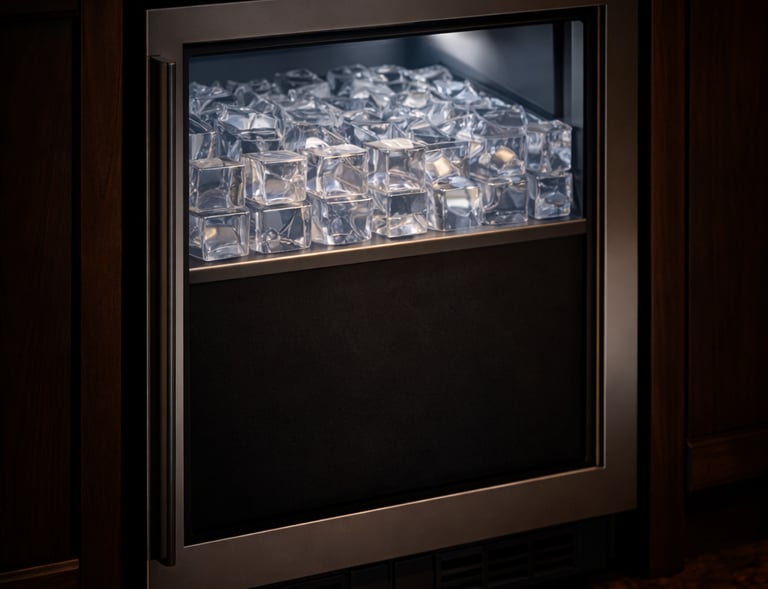
- Ice Machines: Have insulated compartments and freeze zones for crystal-clear cubes or blocks.
These are more involved than home setups but knowing them can help set realistic expectations.
Storage and Optimization in Cold Rooms
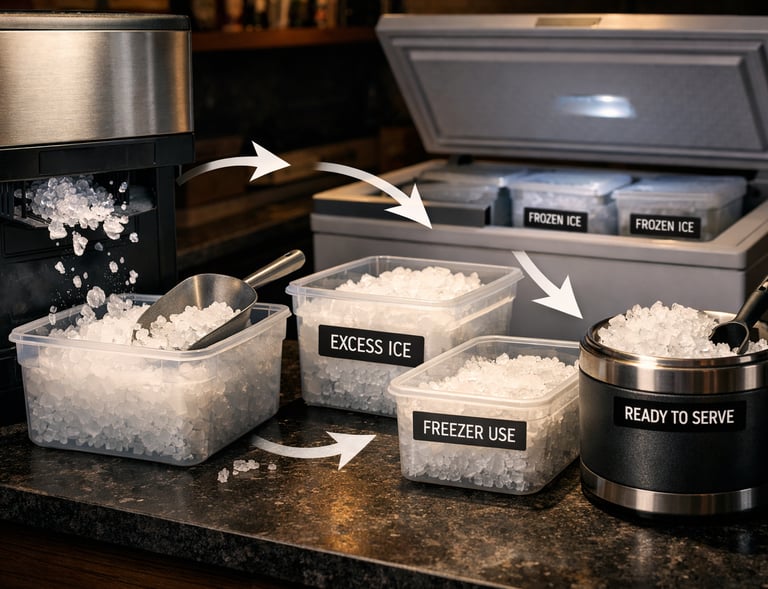
Once made, clear ice needs proper storage:
- Use bins designed to minimize temperature swings and protect from contamination.
- Keep ice away from warm air to prevent melting and cloud formation.
- Proper sealing and insulation prevent odor absorption and clarity loss during storage.
Common Mistakes in Clear Ice Production
- Freezing with Cooler Lid On: That lets freezing happen from all sides, trapping bubbles.
- Freezing the Entire Block Solid: Locks in impurities instead of pushing them down.
- Using Tap Water: Minerals and chemicals cause haze and off-flavors.
- Freezing Too Fast: Leads to bubbles and cloudy ice.
Avoiding these mistakes improves results.
FAQ
What is the best freezer temperature for clear ice?
A steady 0°F (-18°C) works well. Slow freezing lets impurities move away without bubble formation.
Should I boil water before making clear ice?
Yes. Boiling removes dissolved gases, lowering bubbles and increasing clarity.
How long does it take to freeze clear ice?
About 18 to 24 hours in an insulated container. Timing depends on your setup.
Can I use clear ice molds without a cooler?
Most molds freeze water from all sides, so they’ll produce cloudy ice unless designed for directional freezing.
Does clear ice taste better?
No noticeable flavor change. It just reduces impurities and melts slower, keeping cocktails balanced longer.
How do I store clear ice?
Use insulated bins or keep ice in a colder part of the freezer away from warm air exposure.
Is clear ice necessary for all cocktails?
Not really. It’s mostly valuable in spirit-forward drinks where controlling dilution and aroma matters. Regular ice works fine for casual mixes.
Equipment That Improves Clear Ice Consistency
Freezers suitable for home bars → Best Freezers for Home Bars
Dedicated ice storage bins → Ice Storage Bins
Directional freezing molds → Best Ice Molds
© 2026 Barkeepers Buzz. All rights reserved.
Barkeepers Buzz
Master cocktails, spirits, and bar knowledge with clarity and precision. Built for serious home enthusiasts.
Crafted with respect for the culture — and the responsibility that comes with it.
For educational purposes only. Intended for legal drinking age audiences. Please drink responsibly.
General Inquiries: