
How to Double Strain Cocktails Like a Pro
Learn how to double strain cocktails like a pro using a fine mesh strainer to create silky smooth, debris-free drinks that impress every time.
BAR TOOL GUIDES
Barkeepers BuzzBlog Editorial Team - Led by AJ “Buzz” Eichman
3/29/20264 min read
Double straining is one of those cocktail techniques that can really elevate the texture and overall presentation of your drinks. If you’ve ever been served a drink with bits of fruit pulp, crushed ice shards, or muddled herbs floating around, you know it can affect the experience—not always in a good way.
I’ve been experimenting with double straining over several shifts to see how much it actually changes the final pour, and it turns out it’s well worth the extra few seconds.
In this article, I’ll walk you through what double straining is, why it matters, and how to do it correctly every time.
Quick Verdict
Double straining removes fine solids like ice shards, seeds, and pulp for a smoother texture
A fine mesh strainer is essential for catching what primary strainers miss
Best used for shaken or muddled cocktails
Adds a few seconds but greatly improves clarity and mouthfeel
What Is Double Straining and Why It Matters
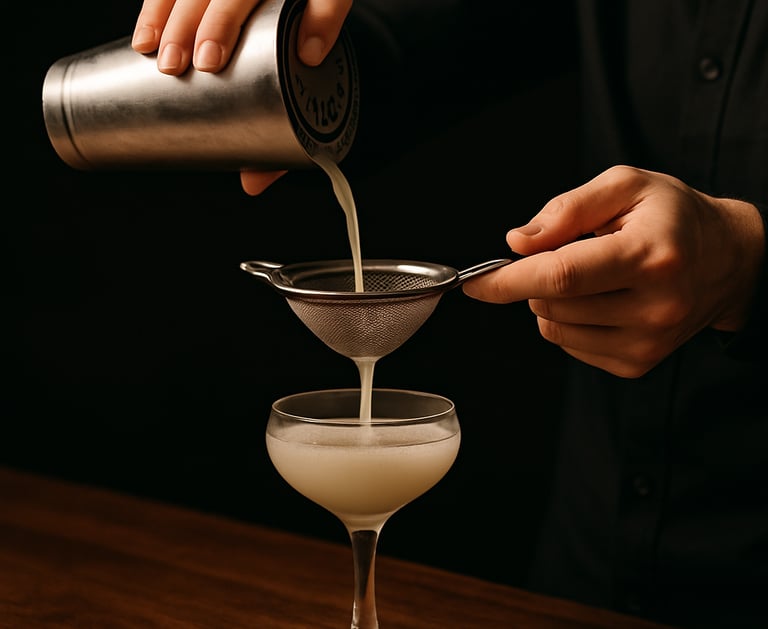
Double straining means pouring your cocktail first through a standard strainer (like a Hawthorne or julep strainer), then through a fine mesh strainer to remove smaller particles.
The first strainer handles large solids like ice and fruit chunks. The second catches the finer debris that slips through.
If you want a full breakdown of how these strainers differ:
Learn more: Cocktail strainer types explained
I found that when testing cocktails with muddled ingredients or crushed ice, double straining dramatically improved texture. No grit, no floating debris—just a clean, smooth drink.
Tools Needed: Fine Mesh Strainer and Others
To double strain properly, you’ll need two tools:
A primary strainer (usually a Hawthorne or julep)
A fine mesh strainer
The Hawthorne strainer—with its spring coil—is especially effective for catching larger solids while adapting to different shaker sizes.
Learn more: Why Hawthorne strainers have springs
Julep strainers are another option, typically used for stirred drinks, though they don’t filter quite as aggressively.
Learn more: When to use a julep strainer
Then comes the fine mesh strainer, which acts as your final filter.
Step-by-Step Guide to Double Straining Cocktails
Shake or stir your cocktail as usual
Place your fine mesh strainer over your serving glass
Position your Hawthorne or julep strainer on your shaker
Pour through the primary strainer into the mesh strainer
Let the liquid pass through into the glass
Remove the mesh strainer and serve
From testing, two key tips stand out:
Don’t overfill the mesh strainer
Keep a steady, controlled pour to avoid spills
When to Double Strain: Cocktail Types and Ingredients
Double straining is most useful when your drink includes small solids:
Muddled cocktails (mojitos, juleps, herb-based drinks)
Shaken cocktails with crushed ice
Drinks with fruit pulp or seeds
Egg white cocktails where texture matters
It’s usually unnecessary for stirred drinks like Manhattans or Martinis.
If you're working on stirred drinks, technique matters more than filtration.
Learn more: Stirring cocktails properly
Common Mistakes to Avoid While Double Straining
Skipping the fine mesh strainer entirely
Using mesh that’s too coarse
Overfilling the strainer and slowing flow
Holding the strainer loosely
Double straining unnecessarily
Many of these issues fall under broader straining technique problems.
Learn more: Cocktail straining mistakes
Tips for Smooth, Clean, and Professional Cocktails
Always start with a clean, dry mesh strainer
Choose a strainer with a sturdy handle for control
Practice consistent pouring technique
Strain slowly when dealing with heavy pulp
Clean immediately after use to prevent buildup
If you’re improving technique overall, straining is just one piece of the bigger picture.
Improve your skills: Techniques & professional skills
Cleaning and Caring for Your Strainers
Fine mesh strainers require proper care:
Rinse immediately after use
Wash with mild detergent
Use a soft brush to remove trapped particles
Avoid abrasive scrubbers
Dry thoroughly to prevent rust
Good cleaning habits also prevent performance issues during service.
Learn more: Bartending mistakes and the gear that fixes them
Double Strain vs. Single Strain: What’s the Real Difference?
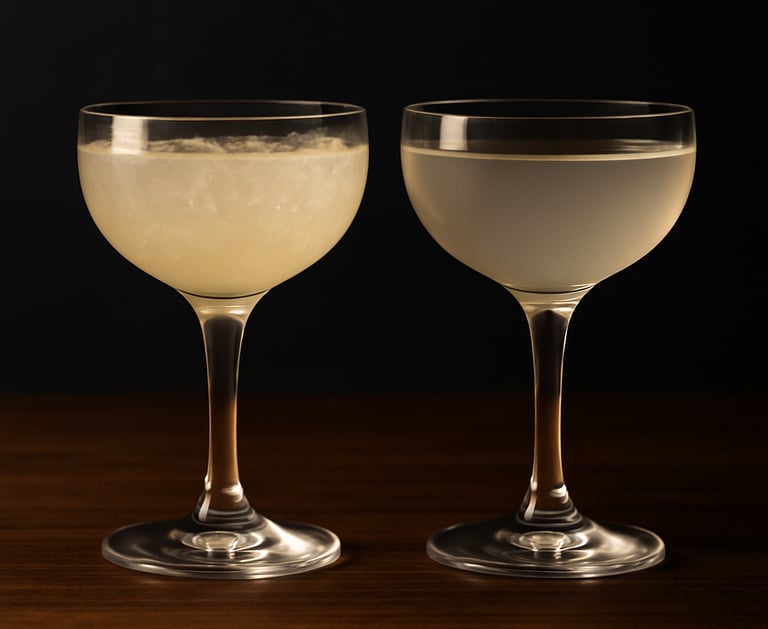
After testing both methods side-by-side:
Double strained drinks were clearer
Texture was noticeably smoother
No grit or ice shards
Slightly slower workflow, but worth it
This is one of those small upgrades that instantly makes drinks feel more professional.
Choosing the Right Fine Mesh Strainer for Your Setup
When selecting a mesh strainer, consider:
Mesh fineness (balance between filtration and speed)
Handle comfort
Stainless steel durability
Size and control
Ease of cleaning
If you want reliable options that perform well in real use:
See top picks: Best cocktail strainers
And if you're building out a full setup:
Explore more: Best bar tool sets
Frequently Asked Questions
What does double straining mean in bartending?
It means using both a primary strainer and a fine mesh strainer to remove all solids.
When should I double strain a cocktail?
When using muddled ingredients, crushed ice, or anything that creates small debris.
What tools do I need?
A Hawthorne or julep strainer plus a fine mesh strainer.
Does double straining affect taste?
It improves texture and clarity, which enhances the overall drinking experience.
Can you double strain stirred cocktails?
Usually unnecessary since stirred drinks don’t contain solids.
Is it required for all shaken drinks?
No, only when solids or fine debris are present.
How do I clean a fine mesh strainer?
Rinse, wash with mild soap, brush gently, and dry completely.
Conclusion
Double straining is a simple technique that delivers noticeably better cocktails. By removing fine solids, it improves texture, clarity, and presentation—turning a good drink into a polished one.
While it adds a small step, the payoff is worth it, especially for cocktails with muddled ingredients, crushed ice, or delicate textures.
If you’re continuing to build your skills and tools, these are your next best reads:
Explore more: Bar tools
Learn the differences: Hawthorne vs. julep strainer
Improve technique: Cocktail strainer types explained
© 2026 Barkeepers Buzz. All rights reserved.
Barkeepers Buzz
Master cocktails, spirits, and bar knowledge with clarity and precision. Built for serious home enthusiasts.
Crafted with respect for the culture — and the responsibility that comes with it.
For educational purposes only. Intended for legal drinking age audiences. Please drink responsibly.
General Inquiries: