
Why Hawthorne Strainers Have Springs
Discover why the spring on a Hawthorne strainer is essential for catching solids, fitting different shakers, and improving cocktail texture and pouring efficiency.
BAR TOOL GUIDES
Barkeepers BuzzBlog Editorial Team - Led by AJ “Buzz” Eichman
3/29/20265 min read
If you’ve ever watched a bartender in action, you’ve probably noticed the tool they use to strain cocktails—often a Hawthorne strainer. One of its defining features is a spring coiled around the edge.
I wanted to dig into why this spring exists and what it actually does behind the bar. After testing Hawthorne strainers over several shifts, I can say the spring isn’t just decorative—it’s a smart design choice that improves the drink-making process in multiple ways.
Quick Verdict
The spring catches ice shards, fruit pulp, and other solids that would otherwise ruin the drink’s texture
Its flexible coil fits snugly inside different shaker and glass sizes, making it versatile
Using the spring properly speeds up bartending workflow
Bartenders prefer this design for quick, efficient straining during busy service
What Is a Hawthorne Strainer and How Does It Work?
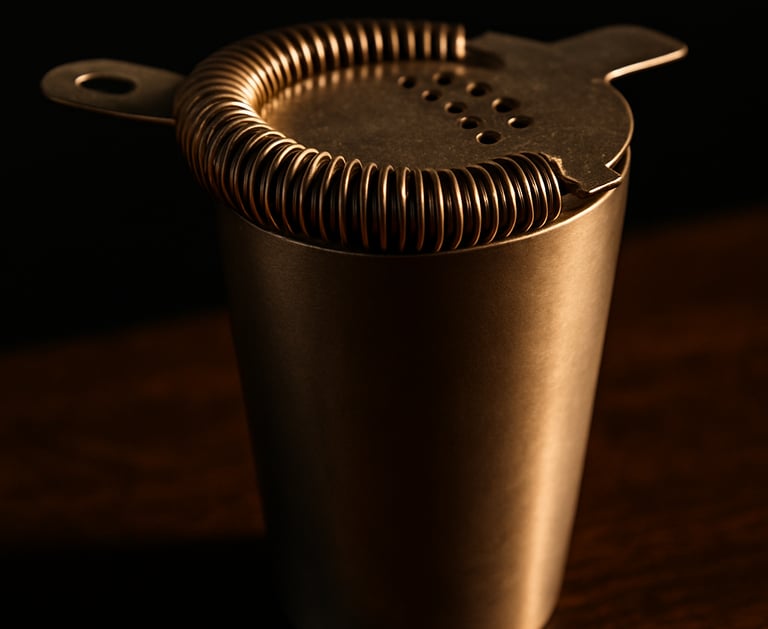
At its core, the Hawthorne strainer is a cocktail straining tool you place over a shaker or mixing glass to separate liquid from solids. It looks like a shallow metal disc with a handle, but what really makes it stand out is that flexible coiled spring around its edge.
If you’re new to bar tools, this is one of the most widely used strainer types in modern bartending.
Learn more: Cocktail strainer types explained
This spring isn’t fixed like a mesh; instead, it sits snugly inside the shaker rim, adapting to the exact size. When you pour your mixed drink through the strainer, the spring filters out chunks of ice, muddled fruit, and other solids while letting the liquid flow smoothly into the serving glass.
Think of the spring as a semi-flexible filter that seals against the inside of your shaker.
The Purpose of the Spring on a Hawthorne Strainer
At first glance, the spring might seem like it’s just there to hold the strainer in place—but it does much more.
Catching Ice and Fruit Pulp
Cocktails often include crushed ice or muddled ingredients that you don’t want in the final pour. The spring traps these particles efficiently, improving both texture and presentation.
For even finer control, bartenders often combine this with a second straining step.
Learn more: How to double strain cocktails
Adjusting to Different Shaker Sizes
Not all shakers or mixing glasses are the same size. The spring’s flexibility lets it compress and expand to fit different diameters, creating a secure seal.
This becomes especially useful when switching between shaker styles.
Learn more: Cocktail shaker types explained
Reducing Splash and Improving Pour Control
The tension of the spring helps stabilize the strainer and guide liquid flow, reducing splashing and giving you cleaner pours during service.
How the Spring Improves Drink Texture and Presentation
In my tests, cocktails strained through a Hawthorne with a spring were noticeably cleaner and smoother than pours without proper filtration.
The spring prevents unwanted solids from entering the glass, improving mouthfeel and clarity.
If you’ve ever had a drink with ice shards or pulp floating around, you already know how much that affects the experience. The spring helps eliminate that issue and gives cocktails a more polished finish.
For ultra-smooth results, bartenders often take this one step further.
Learn more: Fine straining cocktails
Common Mistakes When Using the Spring in Strainers
From testing and observation, a few common mistakes reduce effectiveness:
Not pressing the spring firmly against the shaker wall
Using the strainer on poorly fitting shaker sizes
Neglecting to clean the spring thoroughly
Confusing the spring with a fine mesh filter
Many of these show up as part of broader straining errors behind the bar.
Learn more: Cocktail straining mistakes
Comparing Hawthorne Strainer Springs to Other Strainers
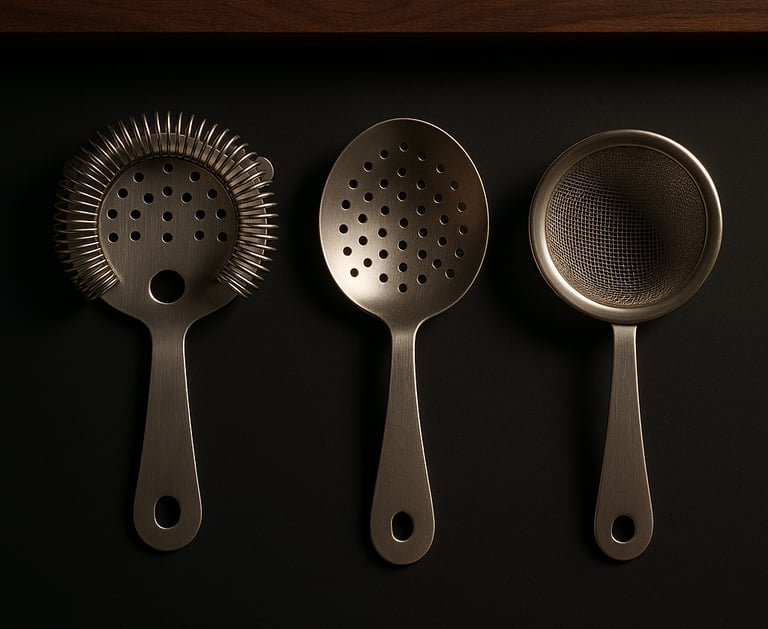
In the world of cocktail strainers, you’ll commonly see three types: Hawthorne, julep, and fine mesh.
Fixed Mesh Strainers
These use a fine mesh to filter very small particles. They offer cleaner results but are slower and more prone to clogging.
Julep Strainers
Julep strainers are solid, perforated spoons without springs. They’re best suited for stirred drinks but don’t trap ice shards as effectively.
If you’re deciding between these two main styles:
Compare options: Hawthorne vs. julep strainer
Hawthorne Strainers with Springs
The Hawthorne sits in the middle—fast, adaptable, and effective for most cocktails. The spring gives it a major advantage in versatility and speed.
Tips for Maintaining and Cleaning the Spring
Keeping your strainer clean is critical for both performance and hygiene:
Rinse immediately after use to prevent buildup
Use a small brush or toothpick to clean between coils
Soak in warm soapy water when needed
Avoid harsh abrasives that can damage the spring
Check for bending or deformation over time
Proper maintenance keeps the spring functioning correctly and prevents flavor contamination.
Why Bartenders Favor Hawthorne Strainers with Springs
In busy bar environments, efficiency matters. The Hawthorne strainer with a spring stands out because it:
Speeds up service with quick, adaptable straining
Works across multiple shaker types
Produces cleaner drinks with minimal effort
Holds up well under heavy use
It’s one of those tools that quietly improves workflow without adding complexity.
Buying Guide: Choosing the Right Hawthorne Strainer
If you’re adding one to your setup, here’s what to look for:
Spring Quality and Tension
Look for stainless steel springs that maintain their shape and provide a snug fit.
Compatibility with Shaker Sizes
Make sure it fits your most-used shaker types for best performance.
Build Material and Handle Comfort
Durable materials and ergonomic handles improve control during long sessions.
Ease of Cleaning
Simpler designs are easier to maintain and keep sanitary.
If you want to skip the guesswork and find proven options:
See top picks: Best cocktail strainers
Frequently Asked Questions
Why does a Hawthorne strainer have a spring?
The spring acts as a flexible filter that traps solids and adapts to different shaker sizes.
Can the spring be replaced or is it fixed?
Most springs are fixed and designed to retain shape through repeated use.
Does the spring affect taste or only texture?
It mainly affects texture and presentation by removing unwanted solids.
How do you clean the spring properly?
Rinse, scrub between coils, soak when needed, and dry thoroughly.
Is a Hawthorne better than a julep or fine mesh strainer?
It depends on the use case—Hawthorne is faster and more versatile, while others specialize in specific tasks.
Can the spring fit any shaker size?
It adapts to many sizes but has limits—always check compatibility.
What mistakes should bartenders avoid?
Loose placement, poor cleaning, wrong sizing, and expecting fine filtration from the spring alone.
Conclusion
I didn’t expect the spring on a Hawthorne strainer to matter this much, but it absolutely does. This simple coil improves the bartending process by catching unwanted solids, adapting to different shaker sizes, and speeding up pours without sacrificing quality.
Whether you’re building your first setup or refining your workflow, understanding how this small feature works can make a noticeable difference in your cocktails.
If you’re continuing to build out your bar system and tools, these are the best next steps:
Explore more: Bar tools
Avoid common issues: Bartending mistakes and the gear that fixes them
© 2026 Barkeepers Buzz. All rights reserved.
Barkeepers Buzz
Master cocktails, spirits, and bar knowledge with clarity and precision. Built for serious home enthusiasts.
Crafted with respect for the culture — and the responsibility that comes with it.
For educational purposes only. Intended for legal drinking age audiences. Please drink responsibly.
General Inquiries: