
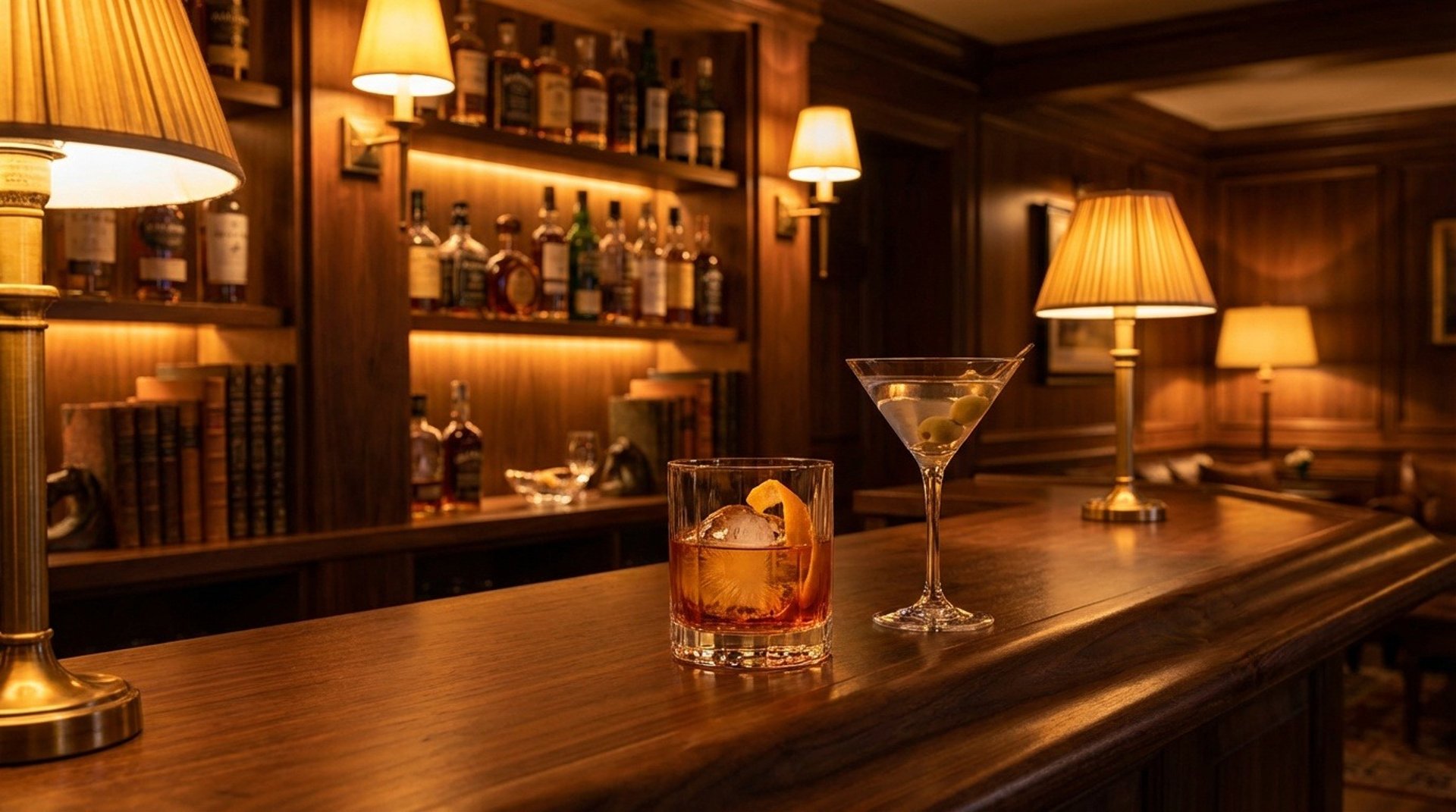
How to Design a Home Bar That Actually Functions Well
Master home bar design with smart space planning, essential tools, and effective organization to create an efficient and stylish bar setup.
HOME BAR GUIDES
Barkeepers Buzz Editorial Team - Led by AJ “Buzz” Eichman
5/11/20267 min read
Designing a home bar merges two ambitions: achieving a refined aesthetic and creating a workspace optimized for efficiency. Too often, home bars sacrifice workflow on the altar of style—or vice versa—resulting in an environment that either looks beautiful but is frustrating to use or works well yet feels uninspired. The hallmark of a truly successful Home Bar Setup is the balanced integration of form and function, where every spatial decision supports both visual calm and operational fluency.
Before selecting cabinetry, refrigeration, or lighting, it also helps to understand the broader framework outlined in The Home Bar Blueprint, which establishes the foundational planning principles behind an efficient and visually cohesive bar environment. A functional bar is not simply about appearance — it is about creating a space that supports preparation, storage, entertaining, and long-term usability without friction.
This article will guide you through the principles of functional home bar setup, focusing on deliberate space planning, essential components, organizational strategies, and thoughtful material selections. Whether your aim is to entertain frequently, enjoy quiet evenings, or simply elevate your home’s ambiance, the goal is to create a bar where every element serves purpose without excess.
Quick Verdict
Prioritize spatial zoning that clearly separates prep, mixing, and serving areas to streamline your workflow.
Select durable, easy-to-maintain materials to preserve cleanliness and longevity.
Invest in versatile, essential tools tailored to your intended drink repertoire.
Incorporate layered, temperature-appropriate lighting to maximize both functionality and mood.


Why Functional Design Matters in a Home Bar
A well-composed home bar does not merely occupy space; it shapes experience. Imagine preparing a double Old Fashioned—if the shaker is stowed too far from the jigger or if the glassware is hidden beneath cluttered shelves, your rhythm falters. Function informs every aspect of comfort, efficiency, and even the quality of the beverages produced.
Poor workflow restricts movement and invites disorder. A crowded surface or inconvenient storage forces interruption and frustration, ultimately detracting from enjoyment. Functional home bar design ensures that every tool, ingredient, and architectural element is positioned not only for visual harmony but also for ease of access and seamless operation.
Thoughtful infrastructure choices also play a major role here. Investing in Best Home Bar Cabinets solutions with integrated storage or exploring Best Back Bar Shelving systems can dramatically improve both organization and accessibility while maintaining a polished visual presentation.
Planning Your Space: Layout and Zones
The foundation of any functional home bar is spatial zoning. I recommend dividing your bar area into three principal zones:
Preparation Zone
Where ingredients are prepped, sliced, or garnished. This area must have durable, easy-to-clean surfaces and immediate access to necessary utensils.
Mixing Zone
The heart of cocktail assembly, featuring shaker tins, strainers, and mixing glasses within arm’s reach. Counter space here must remain clutter-free to allow fluid motion.
Serving Zone
Positioned for ease of delivering finished drinks, often oriented towards guests or an adjoining seating area for efficient handoff.
This separation ensures that each stage occupies its own dedicated territory, reducing overlap and unnecessary back-and-forth movement. When the sink is placed too close to the mixing area, for example, splashes and dampness impede service flow. Conversely, too much distance between zones burdens the user with excessive steps and wasted motion.
If your space is compact, consider vertical organization to maintain these zones while conserving footprint. Floating shelves, narrow pull-out drawers, and under-counter refrigeration can help maintain an open work surface without sacrificing essential storage. Articles like Small Space Home Bar Storage Strategy and Planning a Wet Bar Sink the Right Way can provide additional guidance when optimizing tighter layouts.
Essential Tools and Equipment for Your Home Bar
In a well-designed home bar, tool selection aligns with intended use and spatial constraints. Overloading with unnecessary gadgets risks clutter and complicates workflow. Instead, I advise focusing on a core collection that enables a diverse drink range without excess.
Key Tools Include
Cocktail shakers (Boston or cobbler style) for combined shaking and stirring.
Fine mesh strainers to ensure clarity in cocktails.
Jiggers with clearly marked measurements to promote consistency.
Mixing glasses suited to stirred drinks.
Bar spoons, muddlers, and citrus reamers for garnish and ingredient preparation.
Choose quality over quantity. For example, a well-made shaker can replace several lesser-quality pieces, maintaining both function and aesthetic solidity. Investing in professional-grade instruments ensures durability and smooth handling, which pays dividends over years of use.
Appliance selection matters equally. Refrigeration and serving equipment should complement your workflow rather than dominate it. Resources like Best Kegerators for Home Bars and Best Wet Bar Sinks are useful starting points when selecting infrastructure designed for both entertaining and operational efficiency.
Smart Organization Tips for Efficiency
Organization within the home bar is a decisive factor in functional success. Shelving should balance accessibility with orderly presentation, enabling rapid retrieval without visual clutter.
I Recommend
Zoned drawers lined with dividers for utensils, cocktail picks, and smaller tools.
Adjustable shelving to accommodate a mix of glassware shapes and liquor bottles.
Integrated racks for wine or champagne storage that maintain bottle orientation to prevent cork drying.
Clear labeling or grouping by use type permits straightforward inventory management and replenishment.
If lighting is too cool on your shelving, it hampers visibility and dulls the warmth crucial to a welcoming bar environment. Warm LED strips that illuminate shelf contents enhance both function and form.
Many homeowners underestimate how much shelving design influences workflow. Avoiding issues discussed in Back Bar Shelving Mistakes to Avoid can help maintain a cleaner, more intuitive organization system over time.


Materials and Surfaces: What Works Best
Material selection is an often-underestimated design decision with outsized impact on longevity and maintenance. Surfaces must withstand moisture, acid from citrus, and frequent cleaning while maintaining a refined appearance.
Recommended Materials Include
Quartz or granite countertops for durable, stain-resistant work areas.
Stainless steel accents, which pair well with contemporary aesthetics and provide hygienic surfaces.
Matte-finished cabinetry reduces reflections and visual noise, supporting a calm visual environment.
Avoid porous woods or untreated surfaces near prep zones; they absorb spills and complicate sanitation. The goal is a seamless interface between beauty and practical resilience.
Lighting Your Home Bar for Ambiance and Function
Effective lighting serves dual roles in a home bar: it facilitates task visibility and sets mood. Layered lighting strategies combine overhead lights, under-cabinet LEDs, and accent illuminations.
Task lighting should have a color temperature between 3000K and 3500K to render colors authentically, especially important when judging drink clarity or garnishes. Ambient lighting can be softer and warmer to invite relaxation, but if it overwhelms task lighting, it will frustrate the user during drink preparation.
Dimmer controls provide flexibility, allowing the environment to evolve from bright, functional workspace to subdued, convivial lounging area. This dynamic adjustment elevates the bar’s versatility.
Strategic lighting placement also complements storage and display systems. Installing fixtures alongside Best Bar Lighting Systems for Home Bars setups or integrating accent lighting into shelving improves both visibility and atmosphere simultaneously.
Common Mistakes to Avoid When Designing Your Home Bar
Even when achieving surface-level style, many home bars falter in long-term usability due to certain design missteps:
Insufficient workspace leads to clutter and cramped conditions, disrupting fluid motion.
Over-equipped bars filled with seldom-used apparatus complicate workflow and invite disorder.
Inadequate or poorly planned storage that forces tools and ingredients onto counters detracts from both function and aesthetics.
Neglecting ergonomics, such as counter height or circulation space, causes discomfort and restricts movement.
Unbalanced lighting schemes that either obscure visibility or clash with the bar’s mood diminish both use and enjoyment.
If it looks beautiful but disrupts movement, it will frustrate you over time. Functional design anticipates these long-term interactions between user and space.
Real-Life Examples of Well-Functioning Home Bars
Consider a compact corner bar that deploys tall, narrow shelving to maximize vertical space. The prep zone situates next to a sink and waste bin, while a dedicated mixing ledge faces the entertaining area. Essential tools hang from magnetic strips for rapid access, and a glassware rack sits just above, illuminated by soft LED lighting.
Or a luxurious bar fitted with quartz surfaces that flank under-counter refrigeration and a small ice maker. Storage drawers are segmented for utensils, bottle openers, and cocktail picks. Recessed ceiling lights illuminate the workspace directly, while a dimmable chandelier sets the evening atmosphere.
Both embody composure and workflow integration, demonstrating that thoughtful design refines both the craft and experience of home bartending.
FAQ
What are the must-have tools for a functional home bar?
Essential tools include a quality cocktail shaker, jigger, mixing glass, strainer, muddler, and bar spoon. Select versatile pieces that correspond to your preferred drinks rather than overbuying specialty gadgets.
How much space is needed to design a home bar that works well?
A functional setup typically requires a minimum of 4 to 6 linear feet of counter space for prep and mixing zones, with additional room for serving and storage. Compact bars can succeed with vertical storage and multipurpose furniture.
What is the best way to organize a home bar for easy use?
Divide storage into categories—tools, glassware, ingredients—using labeled drawers and adjustable shelves. Store frequently used items at arm’s reach and group items logically by function to minimize search time and clutter.
How can I improve my home bar’s workflow?
Establish clear zones for preparation, mixing, and serving. Position tools and ingredients close to where they are utilized and preserve ample counter space. Pay attention to ergonomics such as counter height and circulation paths to facilitate natural movement.
What materials are best for home bar surfaces?
Quartz, granite, and stainless steel are excellent for durability and ease of maintenance. Avoid porous materials near prep areas to prevent staining and microbial growth.
How important is lighting in a home bar setup?
Lighting is critical. It supports precision in drink preparation and shapes the bar’s atmosphere. Layered, temperature-appropriate lighting that balances ambient and task needs promotes comfort and functionality.
Can a small space still accommodate a fully functional home bar?
Yes. Compact layouts utilizing vertical shelving, multi-use tools, and fold-away surfaces can deliver an elegant, efficient bar experience within limited footprints.
Conclusion
The home bar is both a stage and a workstation. To realize its full potential, design must transcend superficial styling and address the spatial choreography of drink preparation, storage, and service. Careful zoning of workspace, judicious selection of essential tools, organized storage solutions, and material choices tailored to durability culminate in a bar that stands the test of time and use.
Attention to lighting completes the framework, enhancing visibility while crafting ambiance that invites relaxation without compromising precision. Avoiding common pitfalls around clutter and ergonomics preserves this balance, turning your home bar from a static exhibit into a dynamic, composed system that delights both host and guest alike.
For a deeper dive into equipment selections and professional bar techniques, explore our guides on Best Glass Rinsing Systems and Ideal Home Bar Counter Height. To better understand appliance integration and workflow optimization, review Kegerator Placement Guide and Beverage Center vs Beverage Fridge: What’s the Difference?
Elevate your home bar beyond decoration — design it with intention, and experience the calm efficiency of a truly functional space.
© 2026 Barkeepers Buzz. All rights reserved.
Barkeepers Buzz
Master cocktails, spirits, and bar knowledge with clarity and precision. Built for serious home enthusiasts.
Crafted with respect for the culture — and the responsibility that comes with it.
For educational purposes only. Intended for legal drinking age audiences. Please drink responsibly.
General Inquiries: