Troubleshooting Clear Ice Machines
Discover practical tips for troubleshooting clear ice machines to ensure consistent ice production, clarity, and optimal machine performance.
Barkeepers BuzzBlog Editorial Team - Led by AJ “Buzz” Eichman
2/27/20264 min read
Clear ice machines make clear, dense ice cubes. These cubes look better and dilute drinks slower than cloudy ice. The reason is fewer trapped air bubbles and impurities. But even good clear ice machines run into trouble. This guide walks you through common issues, their causes, and practical fixes to keep your clear ice machine working as it should.
If you’re new to ice science or want a broader overview before troubleshooting, our complete guide to ice for cocktails and drink quality breaks down the fundamentals.
Quick Verdict
- Water pressure needs to be at least 20 psi. Without that, ice production suffers.
- Clean the machine every six months or when a CL code shows up.
- Don’t pry ice off the evaporator. That damages the unit.
- Before blaming mechanical failure, check hoses and connections for leaks or blockages.
What Makes Clear Ice Different?
Clear ice forms by freezing water slowly from one side through directional freezing, which pushes out air bubbles and minerals. This pushes out air bubbles and minerals that cloud regular ice. The result is a dense cube that melts slower and waters down your drink less. If you want a full breakdown of how melting speed impacts balance, see our guide on the dilution curve and why ice shape matters. Clear ice also affects how a drink smells and feels, which matters for serious drinkers.
What Changes with Clear Ice:
- Dilution Rate: Slower melting because of density and fewer air pockets. Keeps drinks stronger longer.
- Nucleation: Less trapped air means less fizz in carbonated drinks.
- Texture and Aroma: Smoother ice, fewer minerals, better mouthfeel, and clearer aromas.
- Temperature Stability: Holds cold longer without melting fast.
What Does NOT Change (Common Misconceptions):
- Taste of Water: Water’s basic taste stays the same. Impurities mostly affect how ice looks.
- Basic Freezing Point: Clear ice freezes at the same temperature as normal ice.
- Vanishing Melting Properties: Ice still melts eventually. Clear ice just takes longer.
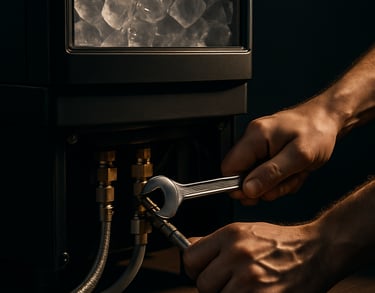
Common Problems and How to Troubleshoot Them
1. No Ice or Low Ice Production
- Check Water Pressure: Clear ice machines need about 20 psi or more. Lower pressure means poor or no ice.
- Inspect Water Filters: Dirty filters slow water flow, affecting cube size and clarity.
- Frozen or Blocked Lines: Ice can build up in water lines. Defrost carefully if needed.
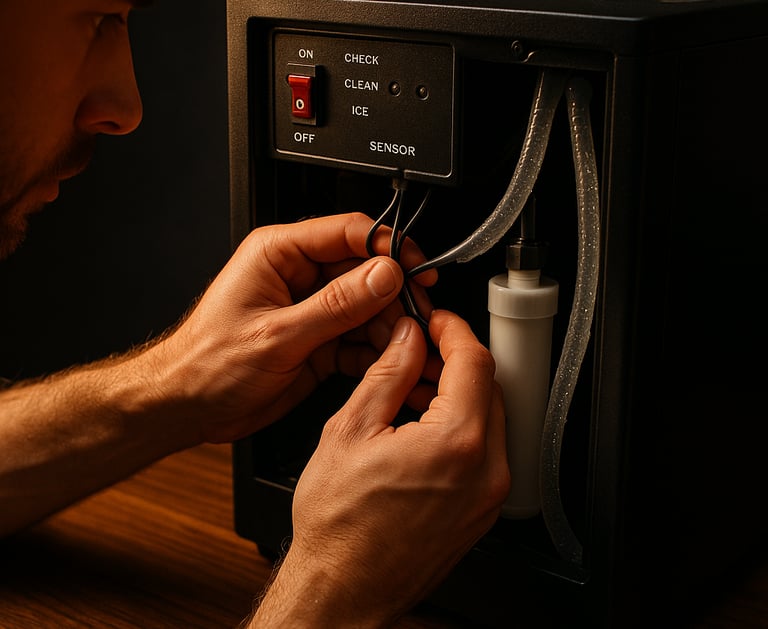
- Control Board or Sensor Faults: Some units stop making ice if sensors fail or misread ice levels.
2. Small or Cloudy Ice Cubes
- Low Water Pressure or Contaminants: Not enough pressure or unfiltered water causes small, cloudy cubes.
- Rapid Freezing: Clear ice requires slow freezing from one direction. For a deeper comparison, review clear ice vs cloudy ice to understand how freezing speed affects density and melt rate. Fast freezing traps bubbles.
- Dirty Evaporator: Mineral build-up leads to cloudy spots.
3. Water Leaks
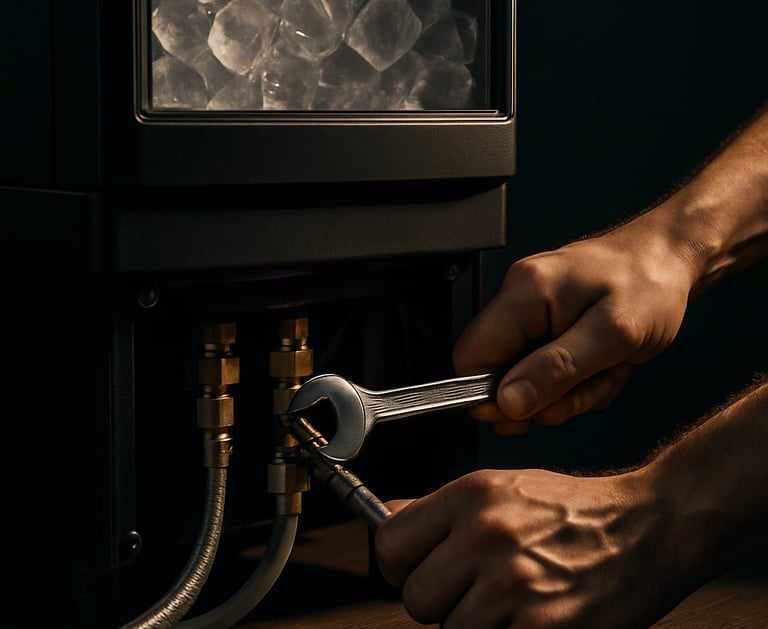
- Loose or Damaged Connections: Check hose fittings and water lines. Tighten or replace if needed.
- Clogged or Frozen Drains: Blocked drains cause overflows. Clear them regularly.
- Faulty Inlet Valve: Can cause leaks or improper water control. May need replacement.
4. Noisy Machine Operation
- Loose Parts or Worn Bearings: Mechanical components wear over time. Tighten screws and inspect moving parts.
- Ice Buildup: Ice interfering with moving parts causes grinding or knocking noises.
5. Error Codes and Indicators
- CL Codes: Indicates cleaning is due, typical for U-Line and similar models. Follow the cleaning cycle right away.
- E2 or Other Errors: Usually tied to sensors or water flow. Try resetting after cleaning. If errors persist, call for service.
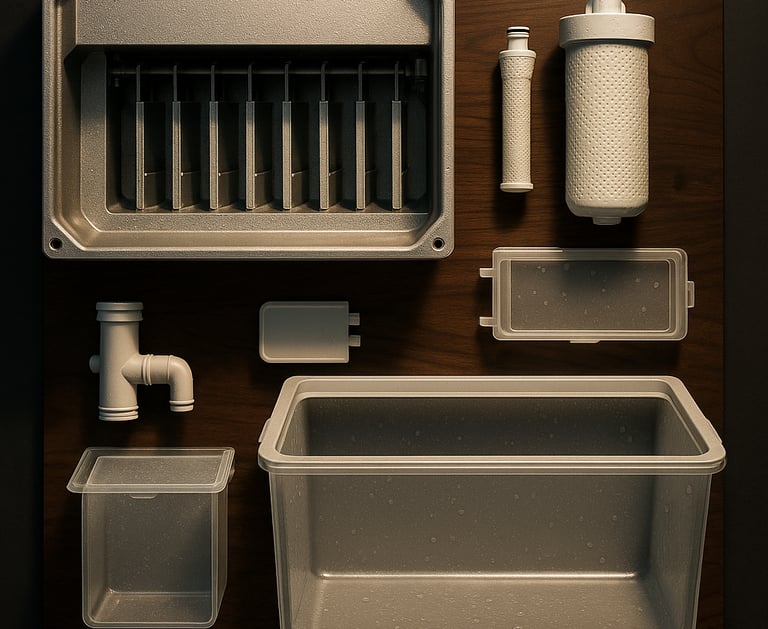
Cleaning and Maintenance Best Practices
- Toss all the ice before starting a cleaning cycle.
- Remove the evaporator cover and use the cleaner specified by the manufacturer.
- Vacuum condenser coils every six months to keep cooling efficient.
- Clean ice storage bins regularly with warm soapy water or mild bleach solutions.
- Follow brand-specific instructions carefully. Cutting corners here leads to failures.
Common Mistakes to Avoid
- Don’t force ice off the evaporator. Cracks and damage follow.
- Ignoring cleaning cycles lets mineral deposits build up and ruin ice clarity.
- Don’t assume mechanical failure before checking water pressure and filters.
- Make sure the machine is level. Uneven setup ruins water flow and ice quality.
- Regularly inspect hoses and connections to catch leaks early.
Practical Takeaways for Home Bar Enthusiasts
- Keep an eye on water pressure and use filtered water for the best cubes.
- Clean as the machine prompts or at least twice a year.
- Watch ice shape and clarity for signs maintenance is needed.
- Use proper ice storage bins to keep cubes quality intact after production. See - Best Ice Storage Bins
- Pair your clear ice machine with a freezer designed to support ice clarity. See - Best Freezers for Home Bars
or automated production options, explore automatic clear cube and sphere systems for consistent density and shape control.
FAQ
Why is my clear ice machine not making ice?
Check water pressure (above 20 psi), filters, and sensor functions. Frozen lines or clogged drains can cause issues.
How do I clean my U-Line clear ice machine?
Empty ice, remove covers per instructions, run a 45-minute cleaning cycle with approved cleaner, vacuum condensers, and wash bins.
What causes leaks in clear ice machines?
Usually loose fittings, damaged hoses, or clogged drains. Tighten and inspect regularly.
Why are my ice cubes small or cloudy?
Low water pressure, fast freezing, dirty evaporator, or unfiltered water are common culprits. Slow, clean freezing is key.
What does a CL code mean on my ice machine?
It signals time for cleaning to stop mineral buildup and keep ice clear.
Can clear ice improve cocktail quality?
Yes. Clear ice melts slower, waters drinks less, and improves presentation and aroma.
When should I call a professional?
If error codes won’t clear after cleaning, parts wear out, or leaks and electrical problems persist, get a service technician involved.
---
This guide isn’t about trends. It’s about making clear ice machines last. For production planning and better freezing consistency, see our guide to freezer planning for clear ice production, along with recommended ice molds and storage options.
© 2026 Barkeepers Buzz. All rights reserved.
Barkeepers Buzz
Master cocktails, spirits, and bar knowledge with clarity and precision. Built for serious home enthusiasts.
Crafted with respect for the culture — and the responsibility that comes with it.
For educational purposes only. Intended for legal drinking age audiences. Please drink responsibly.
General Inquiries: