
Why Jiggers Have Two Sides: The Bartender's Precision Tool
Discover why jiggers have two sides and how this precision bartending tool enhances cocktail measurement, speed, and consistency.
BAR TOOL GUIDES
Barkeepers BuzzBlog Editorial Team - Led by AJ “Buzz” Eichman
3/22/20265 min read
When you first look at a jigger, that small metal hourglass-shaped tool, you might wonder why it has two different-sized ends instead of just one. As someone who’s been behind the bar testing gear on and off shifts, I’ve found the two-sided jigger isn’t just a quirky design—it’s built to solve real bartending challenges around speed, accuracy, and efficiency when measuring cocktails.
In this article, I’ll share what I’ve learned from experimenting with these tools, explain why this design is so widespread among bartenders, and offer practical tips you can use whether you’re at a professional bar or mixing drinks at home.
Quick Verdict
Two-sided jiggers combine two common measurement sizes in one tool, making accurate cocktail measurement faster and easier.
Switching between sides allows bartenders to handle different ingredient volumes efficiently without grabbing multiple tools.
Using a two-sided jigger improves drink consistency and balance, critical for good cocktails.
Careful technique and cleaning ensure the jigger stays reliable and hygienic behind the bar.
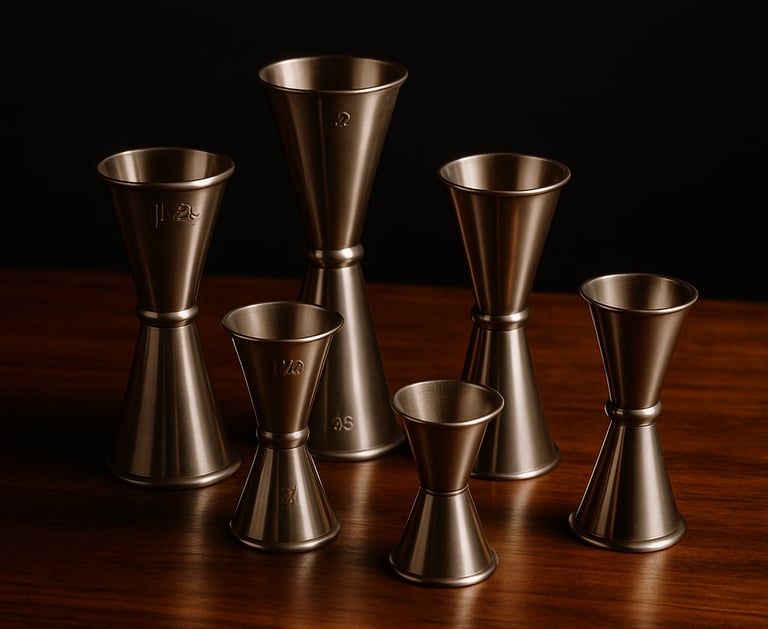
What Is a Two-Sided Jigger?
A jigger is a simple measuring device bartenders use to pour exact amounts of spirits and other liquid ingredients needed to craft cocktails. The most common style is the two-sided jigger, featuring two different volume capacities—usually a larger side of 1.5 ounces (45 ml) and a smaller side of either 0.75 ounces (22 ml) or 1 ounce (30 ml).
If you're building out your setup, this is one of the core tools every home bartender should own.
Learn more: Essential tools for a home bar
The jigger looks like an hourglass, with each end serving as its own measure.
I ran some tests over several shifts to see how this design improves workflow. Having both small and large measurements in your hand reduces the time spent chasing different tools or guessing measurements. Instead, you flip the jigger around to get just the right shot size instantly.
Why Do Jiggers Have Two Sides?
The main goal behind the two-sided jigger is efficiency paired with precision. Cocktail recipes often call for varying shot sizes, so having two measurement options ready saves time and space.
This becomes even more important when you compare measured pours vs free pouring techniques, where accuracy can quickly break down.
Learn more: Jigger vs free pouring
Instead of carrying separate tools for single, double, or fractional shots, bartenders get the flexibility they need in this one compact tool.
It also helps with consistency. When measured with a jigger, drinks come out balanced because you’re less likely to eyeball or free pour inaccurately.
If you want to understand how professionals approach this, it all comes down to repeatable measurement systems.
Learn more: How bartenders measure cocktails
Consistency is especially important in professional settings like bars or cocktail competitions, where precise measurements can affect flavor and customer satisfaction.
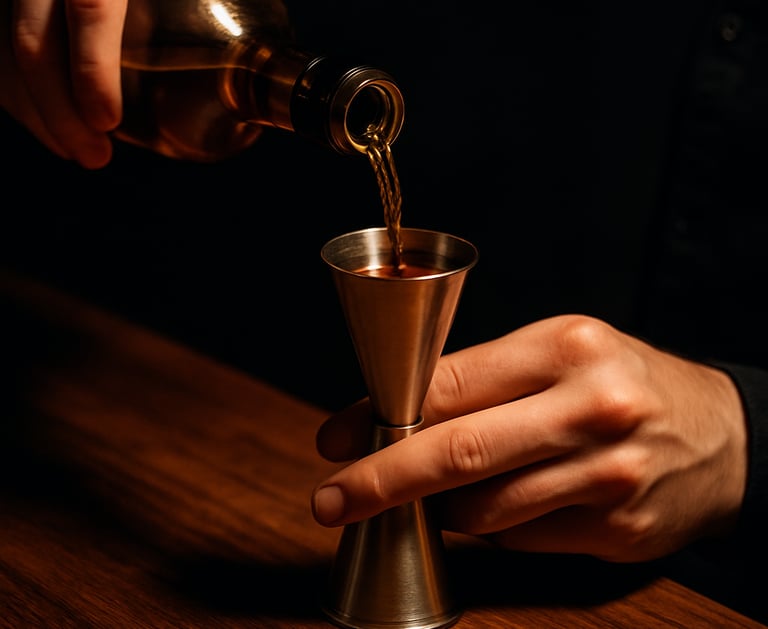
Common Measurement Sizes and Their Uses
The 1.5-ounce side corresponds roughly to a "standard" U.S. jigger size, or a typical single shot of alcohol. The smaller size varies but commonly falls at either 0.75 or 1 ounce.
If you're unsure how these measurements translate across recipes, understanding standard jigger sizing is key.
Learn more: Cocktail jigger measurements
Here’s why those two sizes matter:
Larger side (1.5 oz): Perfect for spirits like whiskey, vodka, or rum in many classic cocktails.
Smaller side (0.75–1 oz): Ideal for modifiers, syrups, or bitters that usually require smaller amounts, or for spirits in drinks calling for half-measures.
In my testing, the two sizes cover most base spirit and mixer ratios called for in recipes. Some bartenders opt for a 1 oz smaller side to align with metric measurements or specific recipe preferences.
How Two-Sided Jiggers Improve Cocktails
Accuracy is the biggest win here. Using a jigger removes guesswork, which means your cocktail ratios stay balanced every time.
This is especially noticeable when compared to inconsistent pouring habits that can throw off an entire drink.
Learn more: Common bartending mistakes and the gear that fixes them
Speed also improves because reaching for a single tool with dual sizes beats swapping between multiple single-measure jiggers or endlessly free pouring.
Plus, the design generally fits comfortably in hand, allowing for steady pour control.
The metal construction common in dual-sided jiggers also helps with cleanup — they’re easy to rinse and don’t absorb flavors like some plastic tools might.
Common Mistakes When Using a Jigger
While two-sided jiggers are handy, I picked up on some pitfalls from testing and observing others:
Accidentally using the wrong side
Pouring too quickly and overshooting the measurement line
Not cleaning the jigger thoroughly between drinks
Assuming all jiggers have exactly the same measure sizes
Tilting the jigger while pouring, which causes inaccurate fills
Interestingly, some of these issues are tied directly to jigger shape and design differences, not just user error.
Learn more: Why jigger shape matters
Tips for Choosing the Right Jigger
If you’re starting out or upgrading your bar tools, here are some pointers after testing different jiggers:
Choose the two-sided jigger sizes that match your recipes
Look for etched or stamped measurement markings for easy reading
Pick stainless steel for durability and easy cleaning
Consider size and grip comfort
Explore different styles if you want more precision
If you’re comparing styles, the biggest decision usually comes down to design differences between common jigger types.
Learn more: Japanese vs bell jiggers
And if you just want the best options available right now:
See top picks: Best jiggers
Care and Maintenance of Your Jigger
Keeping your jigger clean ensures hygiene and maintains accurate measurements. I rinsed mine immediately after shifts and gave it a full wash with soap regularly.
Stainless steel jiggers tend to hold up well and avoid staining.
Occasionally double-check your jigger if you notice inconsistent pours or if drops cling inside. A quick rinse and dry usually do the trick.
FAQs About Jiggers and Cocktail Measurement
Why do jiggers have two different measurement sizes?
The two sides serve different common volumes used in cocktail recipes, letting bartenders quickly switch between them without extra tools.
What are the most common sizes on a two-sided jigger?
Typically, one side measures 1.5 oz (45 ml) and the other 0.75 oz (22 ml) or 1 oz (30 ml).
Can a two-sided jigger help improve cocktail quality?
Yes, precise measurement helps maintain drink balance and consistency.
Are there different types of jiggers beyond the two-sided design?
Yes, some jiggers have multiple sides or graduated marks, but two-sided remains the most popular.
How should I clean and maintain a jigger?
Rinse after use, wash with soap periodically, and dry thoroughly.
Is it better to use a jigger or free-pour for cocktails?
Free-pouring can be faster but risks inconsistency. Using a jigger guarantees precision.
Can a two-sided jigger be used for both home bartenders and professionals?
Absolutely. It’s a versatile tool for both.
Conclusion
From testing different jiggers and observing real bar scenarios, I’ve come to appreciate the practical value of the two-sided jigger design. It’s not just tradition or style—it directly supports precision and speed in cocktail measurement.
Whether you’re a home enthusiast wanting consistency or a professional aiming for reliable pours under pressure, a two-sided jigger is a straightforward, cost-effective tool worth incorporating.
If you're continuing to build your setup, it helps to understand how all tools fit together into a complete system.
Explore more: Bar tools guide
And if you want to level up your technique beyond just the tools:
Improve your skills: Techniques & professional skills
© 2026 Barkeepers Buzz. All rights reserved.
Barkeepers Buzz
Master cocktails, spirits, and bar knowledge with clarity and precision. Built for serious home enthusiasts.
Crafted with respect for the culture — and the responsibility that comes with it.
For educational purposes only. Intended for legal drinking age audiences. Please drink responsibly.
General Inquiries: